

Finding a bakuchiol retinol alternative has become a top priority for skincare enthusiasts who want the anti aging results of vitamin A without the associated redness or peeling. Bakuchiol is a plant derived ingredient that mimics many of the benefits of traditional retinoids, making it a staple for those with sensitive skin. In this guide, you will learn how this botanical powerhouse works and how to integrate it into a comprehensive K beauty routine.
What Is a Bakuchiol Retinol Alternative and Why Is It Popular?
A bakuchiol retinol alternative is a functional skincare ingredient derived from the seeds and leaves of the Psoralea corylifolia plant, which is often referred to as the babchi plant. While it is chemically different from vitamin A, it interacts with the skin in remarkably similar ways. It helps to smooth the appearance of fine lines, improves the overall texture of the skin, and addresses issues with hyperpigmentation. The primary reason it has gained such massive popularity is its ability to provide these benefits without the harsh side effects typically seen with retinol, such as extreme dryness, flaking, or photosensitivity.
In the world of professional skincare, bakuchiol is celebrated for its stability. Unlike many forms of retinol that degrade quickly when exposed to sunlight or air, bakuchiol remains effective. This stability allows users to apply products containing this ingredient during the day without worrying about increased sun sensitivity. According to research published in the British Journal of Dermatology, bakuchiol was shown to be as effective as retinol in improving photoaging but was significantly better tolerated by the participants. This makes it a perfect bridge for those who have struggled with the "retinol purge" or chronic irritation.
For individuals looking to maintain a youthful glow while adhering to a more natural or vegan skincare philosophy, this botanical alternative is a logical choice. It fits perfectly into the achieving glass skin glow philosophy, which emphasizes hydration and barrier protection over aggressive exfoliation. By choosing a bakuchiol retinol alternative, you are prioritizing the long term health of your skin barrier while still targeting the visible signs of aging. It provides a way to stimulate repair mechanisms without the inflammatory response that often accompanies more traditional treatments.
Is bakuchiol a good retinol alternative for sensitive skin?
Many dermatologists and skincare experts agree that bakuchiol is an excellent alternative to retinol, particularly for those who cannot tolerate the potency of prescription or high strength over the counter retinoids. The way it functions at a cellular level allows it to target the same pathways as vitamin A. Specifically, it helps to upregulate collagen types I, III, and IV, which are essential for maintaining skin elasticity and firmness. Because it does not cause the same level of moisture loss as retinol, it is often recommended for people with eczema, rosacea, or naturally dry skin types.
When you use a bakuchiol retinol alternative, you are essentially providing your skin with a soothing yet effective tool for rejuvenation. Unlike retinol, which can often lead to a compromised skin barrier if used too frequently, bakuchiol actually offers antioxidant and anti inflammatory properties. These properties help to calm the skin while the active components work to even out skin tone. This dual action is why so many people are switching their routines to incorporate plant based alternatives. It allows for consistent, daily use, which is often more beneficial for long term results than the "start and stop" cycle many experience with irritating retinoids.
If you are currently exploring different options for your anti aging routine, you might be interested in how different ingredients compare. You can read more about collagen vs retinol for wrinkles to understand why gentle alternatives often provide superior results for those with reactive skin. By focusing on ingredients that support the skin rather than stripping it, you achieve a more resilient and radiant complexion. Bakuchiol serves as a testament to the fact that you do not need to suffer from irritation to see a reduction in the depth of wrinkles or an improvement in skin clarity.
Does bakuchiol help with cell turnover and collagen production?
One of the most frequent questions regarding this ingredient is whether it can truly match the cell turnover capabilities of vitamin A. The answer is a resounding yes. Studies have indicated that a bakuchiol retinol alternative works by stimulating the skin cells to behave in a more youthful manner. While retinol does this by binding directly to retinoic acid receptors, bakuchiol appears to achieve similar results through different molecular pathways that ultimately lead to the same gene expression changes. This includes an increase in the rate at which new skin cells reach the surface, which helps to shed dull, pigmented cells more quickly.
Increased cell turnover is the key to achieving that sought after glow and smooth texture. When cell turnover slows down, which naturally happens as we age, the skin can appear sallow, pores can look larger, and fine lines become more pronounced. By using products that encourage this process, you are effectively keeping the surface of the skin fresh. Furthermore, the collagen boosting effects of bakuchiol are well documented. It helps to reinforce the structural integrity of the dermis, making the skin appear more plump and firm. This is why many people who use a bakuchiol retinol alternative notice a significant improvement in the "bounce" of their skin within several weeks of consistent use.
For those who want to maximize these firming effects, it is often helpful to look at how different proteins and actives interact. A detailed look at peptide vs retinol vs collagen can provide further insight into how to build a routine that supports structural skin health. Combining a cell turnover agent like bakuchiol with supportive ingredients like peptides or collagen can create a synergistic effect, leading to even more impressive anti aging results. This multifaceted approach is a hallmark of modern skincare science, where multiple gentle ingredients are used to achieve a result that was once only possible with harsh chemicals.
What do Koreans use instead of retinol for anti aging?
In South Korea, the approach to skincare is traditionally focused on prevention, hydration, and maintaining a healthy skin barrier. While retinol has gained some traction in recent years, many Koreans still prefer gentle alternatives that align with the "slow aging" movement. Instead of harsh retinoids, Korean beauty often utilizes ingredients like fermented extracts, snail mucin, ginseng, and increasingly, bakuchiol. Another highly popular alternative is Salmon PDRN, which is known for its incredible regenerative properties and its ability to repair damaged skin at a deep level.
Korean skincare often prioritizes the use of collagen masks and "wrapping" technology to deliver actives without causing irritation. Products like the YURI Collagen Night Wrapping Mask are designed to create a protective seal over the skin, allowing ingredients to penetrate deeply while you sleep. This method is often preferred over the use of strong retinols because it provides immediate hydration and long term firming benefits without the risk of a compromised barrier. By using a night mask, you are effectively providing a concentrated treatment that mimics the results of more aggressive actives but with a focus on nourishment and repair.
Another popular Korean strategy is the use of brightening agents like turmeric and kojic acid to address the same pigmentation issues that retinol would typically target. This is especially evident in the popularity of products designed for reducing fine lines and wrinkles that also provide a brightening effect. The goal in K beauty is always a balanced complexion that looks healthy and luminous from within, rather than just treating one specific concern at the expense of overall skin health. This holistic view is why the transition to a bakuchiol retinol alternative feels so natural for those following a Korean inspired routine.
What do Japanese use instead of retinol for clear skin?
Japanese skincare, or J beauty, also leans heavily toward gentle, time tested ingredients. While retinol is available, many Japanese consumers favor ingredients that promote "mochi skin," which is soft, plump, and matte. Common alternatives include sake (fermented rice water), green tea, and soy isoflavones. These ingredients are rich in antioxidants and help to protect the skin from environmental stressors while providing a natural brightening effect. Like their Korean counterparts, Japanese formulators often look to bakuchiol as a modern addition to their traditional ingredient palettes because it fits the criteria of being effective yet non irritating.
The J beauty philosophy often emphasizes the importance of a simplified yet highly effective routine. Instead of the multi step process often associated with K beauty, J beauty focuses on high quality products that serve multiple functions. You will often find bakuchiol integrated into sophisticated serums or lightweight moisturizers that also contain ceramides and hyaluronic acid. This ensures that while the skin is being prompted to renew itself, it is also being deeply hydrated. This focus on the skin barrier is a major reason why many people in Japan prefer a bakuchiol retinol alternative over traditional vitamin A derivatives, which can sometimes be too stripping for the delicate Japanese skin types.
Understanding the global shift toward these alternatives shows that the desire for effective anti aging is universal, but the methods are becoming more refined. Whether it is through the use of traditional fermented ingredients or modern botanical extracts like bakuchiol, the goal remains the same: clear, youthful, and resilient skin. You can find more strategies for maintaining this balance in the collection for overall facial rejuvenation, which showcases products that work in harmony with the skin's natural processes rather than against them.
The Best Bakuchiol Retinol Alternative Products for Every Budget
When selecting a bakuchiol retinol alternative, it is important to consider the concentration of the active ingredient and the supplementary ingredients in the formula. Some products combine bakuchiol with traditional retinol to enhance efficacy while minimizing irritation, while others use it as a standalone star. Below are some of the most highly rated products currently available on the market, ranging from luxury options to more accessible K beauty innovations.
Herbivore BAKUCHIOL Dual Retinol Alternative Face Serum
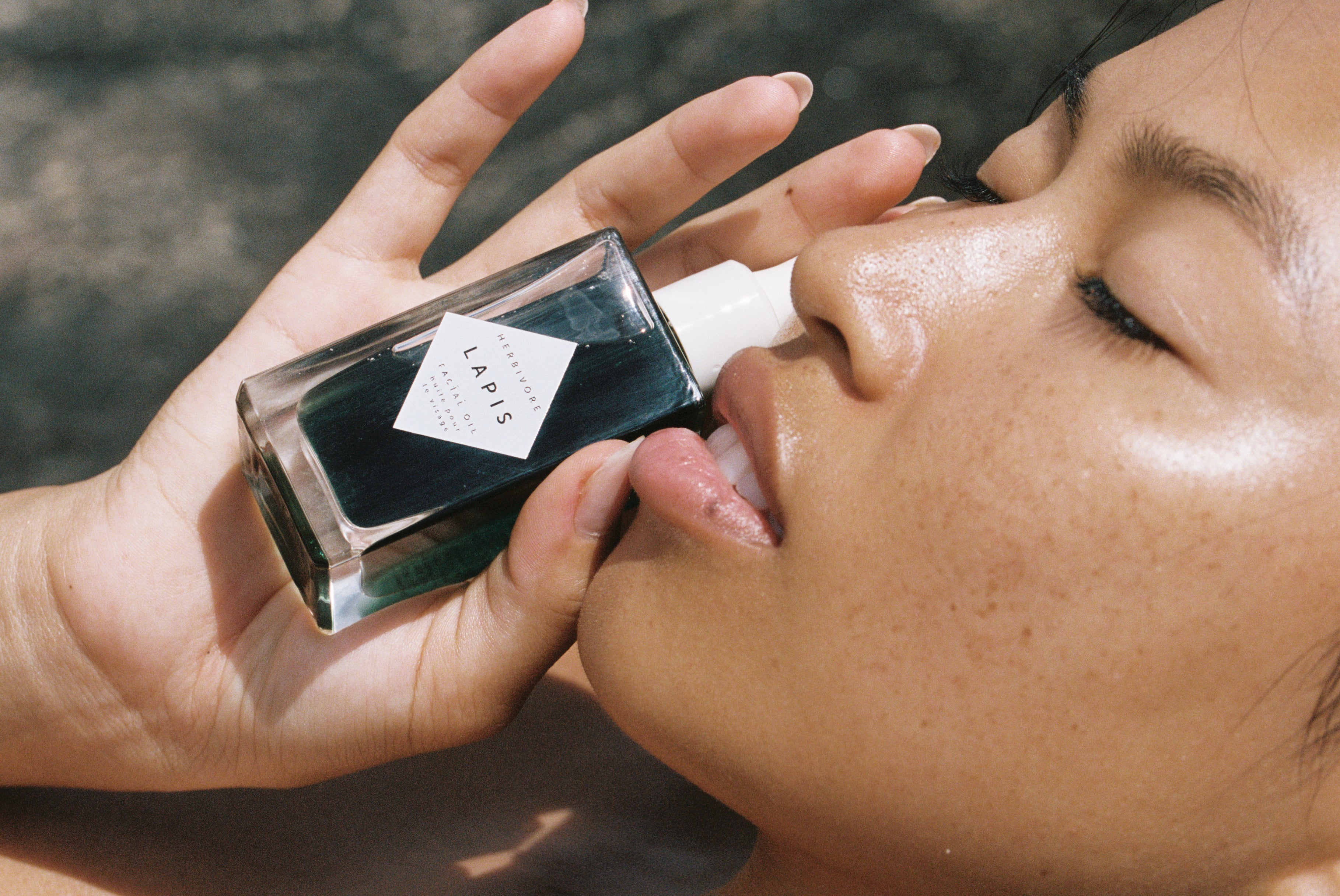
The Herbivore BAKUCHIOL Dual Retinol Alternative Face Serum is a well known option for those looking to swap out their traditional vitamin A serums. Priced at $68.00 for a 30 mL bottle, this serum is designed to target fine lines and uneven texture. It features a unique, jelly like texture that absorbs quickly into the skin. Herbivore has positioned this as a direct replacement for retinol, making it suitable for even the most sensitive skin types. It is often cited as a top choice for those who want a clean beauty approach to anti aging.
Paula's Choice Clinical 0.3% Retinol + 2% Bakuchiol Treatment
For those who are not ready to give up retinol entirely but want to mitigate its side effects, the Paula's Choice Clinical 0.3% Retinol + 2% Bakuchiol Treatment is an excellent middle ground. Retailing for approximately $65, this product combines a low dose of retinol with a significant 2% concentration of bakuchiol. This combination allows the bakuchiol to stabilize the retinol and help the skin tolerate it better. It also includes peptides to help firm the skin, making it a powerful multi tasking lotion for those with enlarged pores and fine lines. This is a great option for experienced users who want to transition to something more soothing.
Isdin Melatonik 3 in 1 Night Serum
If you have a larger budget and are looking for a luxury experience, the Isdin Melatonik is a top tier choice at $175. This serum in oil formula uses bakuchiol alongside melatonin and vitamin C. The melatonin works with the body's natural circadian rhythm to repair damage from the day, while the bakuchiol stimulates collagen and elastin production. It is highly regarded by dermatologists for its ability to restore skin vitality and elasticity. Its silky texture makes it particularly well suited for mature skin that requires extra nourishment during the night.
YURI Collagen Night Wrapping Mask
While not a bakuchiol serum in the traditional sense, the YURI Collagen Night Wrapping Mask is the #1 best seller for a reason. Priced at $45, it serves as a superior K beauty alternative for those who find all forms of vitamin A too aggressive. It uses a specialized wrapping technology to deliver collagen deep into the skin's surface, providing an immediate lifting and firming effect that many bakuchiol users are searching for. It is the perfect choice for someone who wants the visible results of a bakuchiol retinol alternative but with the added benefit of intense, overnight hydration. It is particularly effective for those looking to achieve a "glass skin" finish by morning.

Bakuchiol vs Retinol: A Side by Side Comparison
To help you decide which active is right for your current skin concerns, it is helpful to look at how they compare across several key metrics. While both offer anti aging benefits, their behavior on the skin differs significantly. Many users find that a bakuchiol retinol alternative fits more easily into a busy lifestyle because it requires less "downtime" and fewer restrictions on daytime use. Below is a detailed look at the trade offs between these two powerful ingredients.
| Feature | Retinol (Vitamin A) | Bakuchiol Alternative |
|---|---|---|
| Irritation Risk | High (Redness, Peeling) | Very Low |
| Sun Sensitivity | Increases Photosensitivity | None / Not Photosensitizing |
| Usage Time | Night Only | Day and Night |
| Pregnancy Safe | No | Yes (Consult Doctor) |
| Primary Benefit | Cell Turnover, Acne | Firming, Brightening, Calming |
| Visible Results | 4 to 12 Weeks | 6 to 12 Weeks |
How to Integrate a Bakuchiol Retinol Alternative into Your Routine
Starting with a new active ingredient requires a thoughtful approach to ensure you get the best possible results. If you are transitioning from a traditional retinoid to a bakuchiol retinol alternative, you may find that you can use the new product more frequently from the very beginning. However, it is still wise to patch test and monitor how your skin responds to the specific formula. Most people find that applying a bakuchiol serum after cleansing and toning, but before a heavier moisturizer, is the most effective method.
For those using a K beauty inspired routine, the application order might look slightly different. You would start with your double cleanse, follow with a hydrating toner or pads like the YURI No More Pore Pads to clear the way for actives, and then apply your bakuchiol product. If you are using a specialized treatment like the YURI Kojic Acid Turmeric Night Wrapping Mask, this would be your final step to seal everything in. The combination of bakuchiol's firming properties with the brightening power of turmeric and kojic acid can lead to a dramatically more even and radiant skin tone. You can learn more about how to use collagen and retinol cream together if you decide to use a hybrid product, as the application techniques for collagen based products often enhance the effectiveness of other actives.
One of the best things about bakuchiol is its versatility. It plays well with almost every other common skincare ingredient. You can safely use it alongside vitamin C in the morning for enhanced antioxidant protection, or with hyaluronic acid and niacinamide in the evening for deep hydration and pore care. This makes it an incredibly easy ingredient to slot into an existing regimen without having to worry about complex ingredient interactions or deactivating your other expensive serums. For more tips on building a balanced routine, check out our guide on collagen vs retinol which is better for your specific needs.
Maximizing Results with Bakuchiol and Niacinamide
If you want to take your results to the next level, consider combining your bakuchiol retinol alternative with niacinamide. Niacinamide, also known as vitamin B3, is a powerhouse ingredient that helps to strengthen the skin barrier, minimize the appearance of pores, and regulate oil production. When used with bakuchiol, niacinamide provides a calming base that allows the bakuchiol to work even more effectively. This combination is particularly beneficial for individuals with oily or combination skin who are also concerned about the signs of aging.
A great example of this synergy can be found in the YURI Collagen Jelly Cream with Niacinamide. Priced at $34.95, this cream provides a lightweight yet deeply hydrating finish. By using a product like this over your bakuchiol serum, you are providing your skin with the structural support of collagen and the barrier boosting benefits of niacinamide. This creates a comprehensive treatment that addresses texture, tone, and firmness all at once. The jelly like consistency is especially popular in J beauty and K beauty because it provides a burst of hydration without the heaviness of traditional Western anti aging creams.
Using these ingredients together also helps to address the "pore stretching" that can occur as skin loses elasticity. As bakuchiol works to boost collagen and firm the skin, niacinamide works to keep the pore walls clean and resilient. This leads to a smoother, more refined appearance that is the hallmark of healthy skin. For those who struggle with occasional breakouts or congestion, this pairing is far superior to retinol, which can sometimes aggravate acne during the initial adjustment phase. It is a more stable, predictable, and comfortable way to achieve professional grade skincare results at home.
Extending the Benefits: Bakuchiol for Eye and Body Care
The gentle nature of a bakuchiol retinol alternative makes it an ideal candidate for more sensitive areas of the body, such as the thin skin around the eyes or the often neglected skin on the chest and hands. Many people find that traditional retinol eye creams cause stinging or watering eyes, but bakuchiol eye treatments generally do not have this effect. It can help to reduce the appearance of crow's feet and under eye circles by strengthening the skin in that delicate area. Herbivore offers a Moon Dew 1% Bakuchiol + Peptides Eye Cream for $48.00 specifically for this purpose, providing a firming effect without the risk of irritation.
Body care is another area where bakuchiol is making significant waves. As we age, the skin on our body also loses elasticity and can develop sun spots. Using a bakuchiol based body serum can help to maintain a youthful appearance from head to toe. The Herbivore BAKUCHIOL Retinol Alternative Body Serum, available for $58.00 in a 160 mL bottle, is a great example of how this ingredient is being used to treat larger areas of the skin. It provides a way to address body aging without the sticky or uncomfortable feeling that some heavy retinoid body lotions can have.
Don't forget about your hands, which are often the first place to show visible signs of aging. A bakuchiol retinol alternative hand cream can help to fade dark spots and keep the skin on the back of your hands looking plump and smooth. By extending your anti aging routine beyond just your face, you ensure a more cohesive and youthful appearance. These targeted treatments allow you to enjoy the benefits of plant based retinol alternatives across your entire body, providing a comprehensive approach to skin health and longevity.
Addressing Hyperpigmentation with Bakuchiol and Turmeric
For many, the primary reason for seeking out a bakuchiol retinol alternative is to address hyperpigmentation and sun damage. While retinol is effective for this, it can also cause post inflammatory hyperpigmentation in deeper skin tones if the irritation is too severe. Bakuchiol provides a much safer alternative for all Fitzpatrick skin types because it inhibits melanin production without triggering an inflammatory response. To further enhance these results, many K beauty routines incorporate other natural brighteners like turmeric and kojic acid.
The YURI Kojic Acid Turmeric Night Wrapping Mask is a perfect companion to a bakuchiol routine. At $49.99, this mask combines two of the most effective natural brightening agents with a protective "wrapping" layer. Kojic acid is derived from fungi and is known for its ability to lighten visible sun damage and age spots, while turmeric provides powerful antioxidant and anti inflammatory benefits. When used in conjunction with a bakuchiol serum, this mask helps to accelerate the fading of dark spots and leaves the skin looking incredibly bright and refreshed by morning. This is an ideal solution for those who want to see a significant difference in their skin tone but want to avoid the potential side effects of hydroquinone or high strength retinoids.

The Innovation of Night Wrapping Masks in K Beauty
In the world of K beauty, the "wrapping mask" is a unique innovation that sets it apart from Western skincare. Unlike a standard night cream that can rub off on your pillow, a wrapping mask like the YURI Salmon PDRN Collagen Mask ($39.99) creates a thin, breathable film over the skin. This film serves two purposes: it prevents transepidermal water loss and it ensures that the active ingredients, such as PDRN or bakuchiol, are forced into the skin rather than evaporating. This technology is particularly useful for maximizing the benefits of a bakuchiol retinol alternative, as it provides a prolonged period of contact between the active and the skin.
Salmon PDRN is an especially interesting ingredient to use alongside or instead of bakuchiol. It is composed of DNA fragments that are very similar to human DNA, which allows it to communicate directly with skin cells to promote repair and regeneration. This makes it an incredible choice for those dealing with acne scarring or more advanced signs of aging. When you combine this type of regenerative active with a wrapping mask, the results are often visible after just one use. The skin appears noticeably more plump, hydrated, and calm. This is why many people who are sensitive to retinol are finding that the combination of botanical alternatives and wrapping technology is the key to their skincare success.
For those interested in exploring this specialized category, the intensive skin repair treatment collection offers a variety of masks and creams designed for deep rejuvenation. These products are formulated to provide the maximum possible benefit with the minimum possible irritation, following the core tenets of the K beauty philosophy. By choosing a wrapping mask as part of your evening routine, you are taking advantage of the latest advancements in delivery systems to ensure your skin gets exactly what it needs to thrive.
Common Misconceptions About Bakuchiol Alternatives
Despite its growing popularity, there are still several misconceptions about what a bakuchiol retinol alternative can and cannot do. One common myth is that it is simply a "weaker" version of retinol. As we have discussed, while it is gentler, it is not necessarily less effective at targeting the same concerns. It simply uses different biological pathways. Another misconception is that you cannot use it if you are already using other acids. In reality, bakuchiol is remarkably stable and can be used with AHAs and BHAs, although you should always be careful not to over exfoliate your skin.
Some people also believe that bakuchiol is only for people with sensitive skin. While it is certainly a lifesaver for that demographic, its antioxidant benefits make it a valuable addition to any routine, regardless of skin type. Even if you can tolerate retinol, adding a bakuchiol product to your morning routine can provide additional environmental protection and further boost your collagen production throughout the day. It is a versatile ingredient that offers something for everyone, from the skincare novice to the seasoned expert. Understanding these nuances helps you to make more informed decisions about which products deserve a place in your bathroom cabinet.
Finally, there is often confusion about how quickly you will see results. Because it is a more gentle process, some people expect it to take much longer than retinol. However, many clinical studies show that visible improvements in skin texture and brightness can appear in as little as six weeks of twice daily use. Consistency is the most important factor when using any bakuchiol retinol alternative. By staying dedicated to your routine and supporting your skin with hydrating products like those in the lightweight night cream alternative collection, you will be well on your way to achieving your best skin ever.
Bakuchiol Retinol Alternative FAQs
Is bakuchiol a good retinol alternative?
Yes, bakuchiol is considered an excellent alternative to retinol. It offers similar benefits such as reduced fine lines, improved skin texture, and increased collagen production without the irritation, redness, or peeling often associated with traditional retinoids.
What do Japanese use instead of retinol?
Japanese skincare often utilizes natural, fermented ingredients like sake, green tea, and soy isoflavones. Bakuchiol is also becoming a popular modern alternative in J-beauty due to its gentle yet effective anti-aging properties.
What do Koreans use instead of retinol?
Koreans frequently use ingredients like Salmon PDRN, ginseng, and collagen wrapping masks. These focus on barrier repair and deep hydration to achieve anti-aging results without the harshness of high-strength retinol.
Does bakuchiol help with cell turnover?
Yes, bakuchiol stimulates cell turnover and helps the skin shed dull surface cells more quickly. It works through different molecular pathways than retinol to achieve a similar rejuvenating effect.
Can I use bakuchiol during the day?
Absolutely. Unlike retinol, bakuchiol is not photosensitizing and does not break down in sunlight, making it safe and effective for both morning and evening application.
Is bakuchiol safe to use during pregnancy?
Bakuchiol is a plant-derived ingredient and is generally considered a safer alternative to retinol during pregnancy. However, you should always consult with your physician before starting any new skincare active while pregnant or nursing.
Keep Reading
- How to Use Collagen and Retinol Cream for Best Results in 2026
- Collagen vs Retinol for Wrinkles and Why Collagen Masks Are the Best Gentle Alternative
- Collagen vs Retinol Which is Better for Anti Aging Results in 2026
- Retinol vs Collagen: A Complete Guide for Anti Aging
- Shop Best Lightweight Alternative to Heavy Night Creams