

Using a charcoal peel off mask is a popular way to address congested pores and visible blackheads. When used correctly, these treatments help pull impurities from the skin surface to reveal a smoother and clearer complexion. This guide explains how to integrate a charcoal peel off mask into your routine while maintaining your skin health.
What Is a Charcoal Peel Off Mask and How Does It Work?
A charcoal peel off mask is a topical skincare treatment designed to adhere to the top layer of the skin and the debris within the pores. The primary active ingredient is typically activated charcoal, which is a form of carbon processed to have small, low volume pores that increase the surface area available for adsorption. In chemistry, adsorption refers to the process where atoms, ions, or molecules from a substance adhere to a surface. This allows the charcoal to act like a magnet for sebum, pollutants, and dead skin cells.
When the liquid formula is applied to your face, it begins to dry and form a cohesive film. As it hardens, it creates a bond with the material sitting in your follicular openings. When you eventually pull the mask away, the physical force of the peel lifts the trapped gunk out of the pore. This provides immediate gratification because you can often see the extracted debris on the back of the removed mask. Many users find this process essential for managing oily T zones and preventing the formation of larger blemishes.
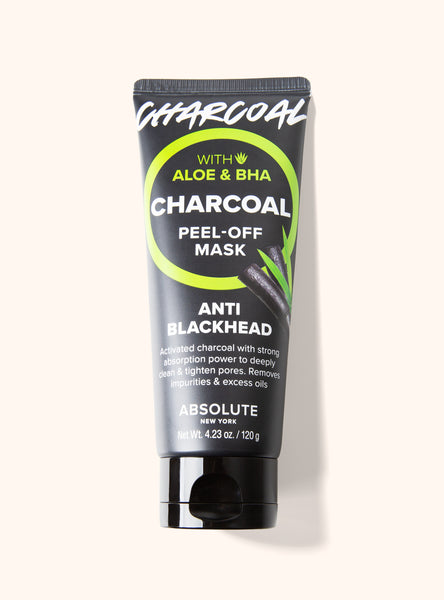
While traditional masks might focus only on surface cleaning, a high quality charcoal peel off mask targets deep seated impurities. For example, the Absolute New York Charcoal Peel Off Mask costs approximately 7.99 dollars and focuses on extracting skin impurities and tightening pores for a polished finish. It is formulated without parabens, sulfates, or phthalates, making it a standard choice for those exploring Korean beauty inspired pore care. Understanding the mechanics of these masks helps you appreciate why they are so effective for temporary pore refinement.
Is a Charcoal Peel Off Mask Good for Skin?
Whether a charcoal peel off mask is beneficial depends largely on your skin type and the frequency of use. For individuals with oily or combination skin, these masks can be an excellent tool for managing excess oil production. By removing the sticky sebum that often traps bacteria, you can reduce the likelihood of breakouts. However, the physical act of peeling can be intense, so it is not always recommended for those with extremely sensitive or dry skin types.
One common concern is whether the mask strips away too many natural oils. A well formulated charcoal peel off mask will include soothing ingredients to balance the deep cleaning action. For instance, the Purifying Charcoal Peel Mask by M. Skin Care is priced at 13.00 dollars and contains panthenol and glycerin. These humectants help ensure the skin does not feel overly stripped or dry after the treatment. Glycerin is particularly effective at drawing moisture into the skin, which compensates for the removal of surface lipids during the peeling process.
It is important to remember that these masks are intensive treatments. They are designed to provide a deep clean that your daily cleanser might miss. If you have concerns about skin barrier health, you might consider alternating your charcoal treatments with more nourishing options. You can explore the Korean Beauty Mask Collection to find various formats that offer hydration and repair alongside pore management. Balancing exfoliation with nourishment is the key to achieving the glass skin look without causing redness or irritation.
Does Charcoal Really Remove Blackheads?
A frequent question among skincare enthusiasts is whether a charcoal peel off mask can truly eliminate blackheads. Blackheads, or open comedones, occur when a pore is clogged with sebum and dead skin cells that oxidize when exposed to air, turning black. Because charcoal has such a high surface area for adsorption, it is very effective at gripping the top portion of these clogs. When you peel the mask off, you are essentially performing a manual extraction on a large scale.
However, it is vital to distinguish between temporary removal and permanent prevention. A charcoal peel off mask will remove the visible part of the blackhead, but it does not change the rate at which your skin produces oil or sheds cells. To see long term improvements, you must combine masking with consistent chemical exfoliation. Products like the YURI No More Pore Pads are designed to complement your routine by using gentle acids to keep the pores clear daily. These pads cost 39.95 dollars and serve as a preventative measure so that you need intensive peel masks less frequently.

Scientific studies on activated charcoal show its capacity to bind to toxins, but its efficacy in skincare is largely tied to the adhesive quality of the mask itself. If the mask does not dry properly or if the blackheads are very deep, the charcoal may only remove the surface layer. This is why many people find that a charcoal peel off mask works best when the skin has been properly prepared with heat to soften the sebum beforehand. For more insights on pore management, read our article on the 12 Best Korean Peel Off Face Mask Products for Every Skin Type.
How to Apply a Charcoal Peel Off Mask Step by Step
To get the best results from your charcoal peel off mask, you must follow a specific application process. Start by cleansing your skin with warm water. This removes surface oils and helps to soften the hardened sebum inside your pores. Many experts recommend covering your face with a warm towel for three to five minutes before application. This creates a gentle steaming effect that makes extraction much easier and more effective.
Once your skin is clean and slightly damp, pat it dry thoroughly. Apply a thick and even layer of the charcoal peel off mask to the targeted areas. Most people focus on the nose, chin, and forehead. It is critical to avoid sensitive areas including the lips, the delicate skin around the eyes, the eyebrows, and your hairline. Getting the mask in your hair can be painful to remove and may lead to accidental hair loss. If you are using a product like the Ebanel Charcoal Peel Off Mask, which costs 9.99 dollars, the manufacturer recommends a 30 minute drying time to ensure the film is completely set.
While the mask dries, avoid making significant facial expressions. Moving your face can cause the mask to crack, which reduces its ability to grip impurities evenly. Once the mask feels completely dry and no longer tacky to the touch, begin peeling from the outer edges. Pull the mask inward toward the center of your face using slow and steady motions. After removal, rinse any remaining residue with lukewarm water. Using a targeted treatment after this process, such as a Korean peel off mask for radiant skin, can help soothe the newly exposed skin surface.
Do Charcoal Masks Really Unclog Pores?
The ability of a charcoal peel off mask to unclog pores is well documented through user experience and clinical observation of the extracted material. When the mask adheres to the skin, it creates a vacuum like seal. As the polymers in the mask dry and contract, they pull at the contents of the pore. This is particularly effective for sebaceous filaments, which are the small, greyish dots on the nose that are often mistaken for blackheads. By removing these filaments, the mask makes pores appear significantly smaller and less noticeable.
However, users should be aware that some products use different mechanisms for pore clearing. For example, The Ordinary Salicylic Acid 2% Masque combines the power of charcoal and clay with a chemical exfoliant. Salicylic acid is oil soluble, meaning it can penetrate deep into the pore to dissolve the bonds between dead skin cells. This dual approach provides both a physical and chemical cleaning. This product is often recognized for its sustainability features and manufacturing practices that reduce environmental impact, making it a favorite for eco conscious consumers.
If your primary goal is long term pore refinement, you might find that a combination of methods works best. You can use a charcoal peel off mask once a week for immediate clearing and a daily treatment for maintenance. To understand how these different products compare, you can view the Overnight Peel Off Mask Collection which features formulas designed to work over several hours rather than just 20 minutes. These longer wear masks often provide a more gradual and gentle pore clearing experience.
Who Should Avoid This Mask and Safety Precautions
While a charcoal peel off mask can be a miracle for oily skin, it is not for everyone. Individuals with active cystic acne, open wounds, or sunburned skin should strictly avoid peel off masks. The physical tension required to remove the mask can tear the skin or exacerbate inflammation. Furthermore, those with rosacea or extremely thin skin might find the process too traumatic, leading to broken capillaries or prolonged redness.
Always perform a patch test before applying a charcoal peel off mask to your entire face. Apply a small amount of the product behind your ear or on your inner forearm and wait 24 hours to see if any irritation occurs. This is a standard safety recommendation for products like the Ebanel Charcoal Peel Off Mask. If you experience burning, itching, or excessive swelling during or after use, you should discontinue the product immediately and consult a medical professional. For authoritative advice on skin reactions, the American Academy of Dermatology provides resources on identifying skin sensitivities.
Another safety consideration is the frequency of use. Overusing a charcoal peel off mask can lead to a damaged skin barrier. When the barrier is compromised, your skin becomes more susceptible to bacteria and environmental pollutants. This can ironically lead to more breakouts and increased sensitivity. Most manufacturers, including those of the Purifying Charcoal Peel Mask, recommend using the product only once per week. This allows your skin enough time to recover its natural moisture balance between sessions.
How Often Should You Use a Charcoal Peel Off Mask?
Frequency is one of the most important factors in the success of your skincare routine. As mentioned, once a week is the standard recommendation for most users. If you have extremely oily skin, you might be tempted to use it more often, but this can cause your skin to overcompensate by producing even more oil. On the other hand, those with combination skin might only need to use a charcoal peel off mask once every two weeks, focusing only on the areas where blackheads are most prevalent.
To keep your skin healthy between deep cleaning sessions, you should focus on hydration. Using a product like the YURI Collagen Jelly Cream with Niacinamide can help maintain your skin barrier. Priced at 34.95 dollars, this cream uses niacinamide to regulate oil production and collagen to improve skin elasticity. By keeping the skin supple, it becomes easier for impurities to be released during your weekly masking session. Niacinamide is a well researched ingredient that helps minimize the appearance of pores without the need for physical extraction.

If you find that your skin feels tight or looks red after using your mask, you should decrease the frequency. Listen to your skin and adjust accordingly. For those who want the benefits of a peel without the intensity of charcoal, exploring the Overnight Peel Off Mask Collection can be a great alternative. These masks are designed for longer wear and often focus on delivering nutrients while gently refining the skin texture as you sleep.
Troubleshooting Irritation and Mask Removal Issues
Sometimes, a charcoal peel off mask does not work as expected. A common issue is the mask being difficult to remove or coming off in small, painful pieces. This usually happens if the layer applied was too thin. A thin layer dries too quickly and lacks the structural integrity to be pulled off in one piece. To fix this, ensure you are applying a generous, opaque layer during your next application. If the mask is stuck in certain areas, do not scrub your skin. Instead, soak a washcloth in warm water and gently press it against the mask to soften it before wiping it away.
If you experience redness after removal, this is often a sign of mild physical irritation from the peeling action. This redness should subside within an hour. You can speed up the recovery by applying a soothing serum or a mask designed for repair. The YURI Salmon PDRN Collagen Mask, which costs 39.99 dollars, is an excellent post peel treatment. PDRN is an ingredient derived from salmon DNA that is known for its skin regenerative properties. It helps calm inflammation and supports the skin's natural healing process after an intensive cleaning.
For more troubleshooting tips and comparisons between different types of masks, you can check out our guide on viral Korean collagen peel off mask results. Understanding how different ingredients interact with your skin can help you avoid common pitfalls and ensure that your charcoal peel off mask remains a helpful part of your beauty arsenal rather than a source of irritation.
Korean Beauty Alternatives to Traditional Charcoal Masks
While the charcoal peel off mask is a classic, Korean beauty innovation has introduced new formats that offer similar benefits with fewer risks. One of the most popular alternatives is the overnight wrapping mask. Unlike charcoal masks that dry in 20 minutes and require immediate removal, wrapping masks create a breathable barrier that stays on the skin all night. This allows for deeper penetration of active ingredients and a much more gentle removal process in the morning.
The YURI Collagen Night Wrapping Mask is a best seller for a reason. At 45 dollars, it provides the pore tightening effects of a traditional mask while deeply hydrating the skin with collagen. This product is ideal for those who find charcoal too drying. Another powerful option is the Kojic Acid Turmeric Night Wrapping Mask. Priced at 49.99 dollars, this formula addresses both pore congestion and skin brightness. Turmeric is a natural anti inflammatory that helps calm the skin, while kojic acid works to fade dark spots left behind by old breakouts.
If you are interested in how these modern formulas compare to older brands, you might find our comparison of the Medicube collagen overnight wrapping mask vs YURI Beauty helpful. Moving toward these advanced Korean beauty formats can help you achieve the same clear pores you expect from a charcoal peel off mask, but with added benefits like anti aging and intensive brightening. You can browse the full selection of these innovative products in the Overnight Peel Off Mask Collection.
Maintaining Results After Your Charcoal Peel Off Mask
The secret to clear skin is not just what you do during the masking session, but how you care for your skin afterward. After using a charcoal peel off mask, your pores are clean but also more exposed. This is the perfect time to apply high performance ingredients that can now reach deeper into the skin. Focus on products that help the pores appear smaller and prevent new clogs from forming. Ingredients like niacinamide, salicylic acid, and hyaluronic acid are particularly beneficial during this post mask window.
Consistency is more important than intensity in any skincare routine. Rather than relying solely on a charcoal peel off mask to fix your skin, try to build a foundation of healthy habits. This includes double cleansing every night to remove sunscreen and makeup, which are the primary causes of clogged pores. Using a gentle toner or pad, like the No More Pore Pads, can ensure that any remaining residue is removed without the need for harsh physical scrubbing. Keeping your skin clean on a daily basis makes your weekly charcoal mask much more effective at reaching the deeply embedded debris.
Finally, always remember to protect your skin. Many deep cleaning masks, especially those with charcoal or acids, can make your skin more sensitive to the sun. Apply a broad spectrum sunscreen every morning to prevent damage and keep your pores looking their best. For more information on creating a complete routine, you can visit the Korean Beauty Mask Collection. By combining the immediate clearing power of a charcoal peel off mask with the long term benefits of advanced Korean skincare, you can maintain a clear and radiant complexion indefinitely.
Charcoal Peel Off Mask FAQs
Is a charcoal peel off mask good for skin?
Yes, charcoal peel off masks can be beneficial for oily and combination skin types. They effectively remove excess oil, dead skin cells, and surface impurities. However, they should be used with caution on sensitive or dry skin to avoid irritation from the physical peeling action.
Does charcoal really remove blackheads?
Charcoal masks are effective at removing the oxidized top portion of blackheads and sebaceous filaments. While they provide immediate extraction and make pores look cleaner, they do not prevent blackheads from forming. A consistent routine with chemical exfoliants is needed for long term prevention.
How often should you use a charcoal peel-off mask?
Most experts recommend using a charcoal peel off mask once per week. Using it more frequently can strip the skin of essential oils and damage the moisture barrier, potentially leading to increased oil production and sensitivity.
Do charcoal masks really unclog pores?
Yes, charcoal masks unclog pores by adhering to the debris inside the pore and pulling it out as the mask is removed. The activated charcoal also helps adsorb excess sebum that contributes to clogging.
What should I do if a charcoal mask is too painful to remove?
If a mask is painful to peel, do not force it. Use a warm, wet washcloth to soften the mask and gently wipe it away. To avoid this in the future, ensure you apply an even, thick layer and avoid areas with fine facial hair.
Can I use a charcoal mask if I have acne?
You should avoid using peel off masks over active, inflamed, or cystic acne, as the peeling action can tear the skin and spread bacteria. These masks are better suited for non-inflammatory blackheads and general pore congestion.
Keep Reading
- 7 Best Korean Collagen Peel Off Mask Products for Aging Skin in 2026
- Medicube collagen overnight wrapping peel off facial mask vs YURI Beauty Comparison
- 7 Best Korean Peel Off Mask Products for Radiant Skin in 2026
- 12 Best Korean Peel Off Face Mask Products for Every Skin Type
- Shop Overnight Peel Off Mask Collection
- Shop Collagen Mask vs Kojic Acid: Which Night Mask is Best?