

The 8 Best Niacinamide Serum Options for Clear and Radiant Skin
Finding the right niacinamide serum can transform your skincare routine by addressing multiple concerns like enlarged pores, uneven skin tone, and a weakened moisture barrier. This powerhouse ingredient, also known as vitamin B3, is a versatile favorite in both professional and K-beauty circles because it delivers visible results with minimal irritation.
What is the niacinamide serum for
A niacinamide serum is primarily used to improve the overall health and appearance of the skin surface by supporting the natural lipid barrier. Unlike some aggressive acids that strip the skin, niacinamide works with the natural substances in your skin to help reduce the impact of environmental damage. Many people incorporate this serum into their daily regimen to manage oil production, which makes it an excellent choice for individuals dealing with congestion or frequent breakouts. It is also highly effective for those struggling with redness, as it has natural soothing properties that calm the complexion.
Beyond oil control, this serum is a favorite for anti-aging because it helps the skin produce more ceramides. Ceramides are essential for maintaining a plump and youthful appearance, as they lock in moisture and prevent dehydration. If you are noticing fine lines or a dull skin texture, adding a high-quality niacinamide product can help restore that sought-after glow. Professional formulas often use this ingredient to prep the skin for more intensive treatments or to soothe the skin after using stronger actives like retinoids.
What does niacinamide do for your face
On a biological level, niacinamide acts as a precursor to important coenzymes that help your cells repair damage and function optimally. When applied to your face, it helps to visibly minimize enlarged pores by keeping them clear of debris and improving skin elasticity. This prevents pores from stretching out and becoming more noticeable over time. It also inhibits the transfer of pigment within the skin, which is why it is frequently recommended for fading dark spots and hyperpigmentation left behind by sun damage or acne scars.
For those with sensitive or reactive skin, niacinamide serves as a protective shield. It helps to reduce the inflammatory response, making your face look less red and blotchy. By strengthening the skin barrier, it also makes your face less susceptible to external irritants like pollution or harsh weather conditions. To learn more about how this works in a cream format, you can read our guide on what a niacinamide skin cream is and why your skin needs it to understand the various delivery methods for this vitamin.
The Best Niacinamide Serum Options Ranked
1. AlumierMD Ultimate Boost Serum
The Ultimate Boost Serum stands at the top of our list because of its sophisticated blend of ingredients designed to enhance skin resilience. This formula does not just deliver niacinamide; it provides a comprehensive approach to skin health by boosting hydration and supporting the skin's natural repair processes. It is a lightweight, fast-absorbing serum that fits perfectly into any professional-grade skincare routine.

- Price: $116.00
- Key Specs: Professional-grade niacinamide, moisture-boosting complex, fragrance-free.
- Best For: Individuals looking for a high-performance, all-in-one serum that targets both aging and hydration.
2. YURI Collagen Jelly Cream with Niacinamide
While technically a jelly cream, this product functions like a high-potency serum-moisturizer hybrid that is essential for achieving the K-beauty glass skin look. It combines the brightening power of niacinamide with the structural support of collagen to create a firm, bouncy skin texture. This is a must-have for anyone who prefers the multi-step Korean approach to skincare where texture and glow are the primary goals. You can see how it compares to other formulas in our YURI Collagen Jelly Cream with Niacinamide review which details the path to glass skin.
- Price: $42.00
- Key Specs: Niacinamide, hydrolyzed collagen, lightweight jelly texture.
- Best For: Fans of K-beauty seeking a radiant, glass-skin finish and deep hydration.
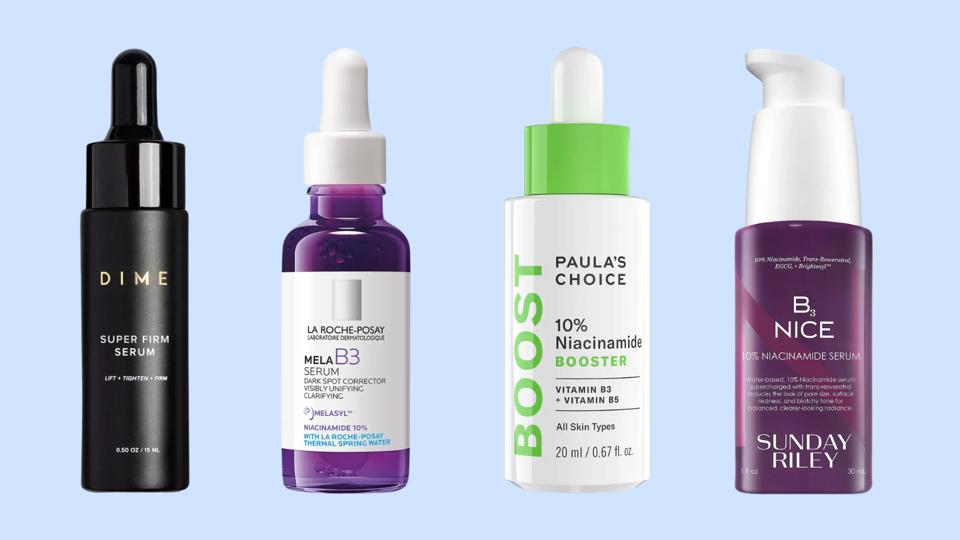
3. Paula’s Choice 10% Niacinamide Booster
Paula’s Choice offers a highly concentrated 10% niacinamide serum that is designed to be used alone or mixed into your favorite moisturizer. This flexibility makes it a favorite for skincare enthusiasts who like to customize their routine based on their skin's daily needs. It focuses heavily on pore size reduction and smoothing out rough skin texture caused by sun damage or aging.

- Price: $73.00 per ounce
- Key Specs: 10% concentration, liquid-light texture, includes antioxidants.
- Best For: Oily skin types focused on dramatic pore reduction and texture improvement.
4. AlumierMD EvenTone
For those specifically dealing with uneven pigment and dark spots, EvenTone is a specialized serum that uses niacinamide as a core component of its brightening complex. It is formulated to be gentle yet effective, ensuring that the skin barrier remains intact while it works to clarify the complexion. This product is a testament to AlumierMD's commitment to clean science and results-driven skincare.
- Price: $128.00
- Key Specs: Advanced brightening agents, professional-grade niacinamide, non-hydroquinone formula.
- Best For: Targeted treatment of hyperpigmentation and melasma.
5. The Ordinary Niacinamide 10% + Zinc 1%
The Ordinary provides one of the most famous niacinamide serum options on the market due to its extremely accessible price point. The addition of zinc PCA helps to further balance sebum activity, making it a cult favorite for teenagers and adults with acne-prone skin. While the texture can be slightly tacky, its efficacy for oil control is well-documented across social media and beauty forums.
- Price: $6.00 per ounce
- Key Specs: 10% niacinamide, 1% zinc, water-based formula.
- Best For: Budget-conscious shoppers with very oily or congested skin.
6. AlumierMD SensiCalm
While often grouped with cleansers, the SensiCalm approach utilizes niacinamide to prep and soothe the skin from the very first step of a routine. It is specifically formulated for those with sensitive or redness-prone skin who might find higher concentrations of niacinamide too stimulating at first. This product helps to calm the skin and reduce the visible signs of irritation effectively.
- Price: $52.00
- Key Specs: Soothing niacinamide, hydrating ingredients, designed for sensitive skin.
- Best For: People with rosacea or extremely reactive skin who need a gentle introduction to vitamin B3.
7. Sunday Riley B3 Nice
Sunday Riley B3 Nice is a 10% niacinamide serum that is infused with trans-resveratrol to boost its antioxidant profile. This serum is known for its ability to reduce the appearance of post-inflammatory hyperpigmentation (the red or dark marks left after a blemish heals). It has a elegant, watery texture that layers beautifully under makeup or other skincare products.
- Price: $46.00 to $65.00 per ounce
- Key Specs: 10% niacinamide, trans-resveratrol, epigallocatechin gallate (EGCG).
- Best For: Those looking to fade post-acne marks and improve overall skin luminosity.
8. La Roche-Posay Mela B3 Serum
This serum represents the intersection of dermatological research and accessible skincare. It features a high concentration of niacinamide alongside Melasyl, a proprietary ingredient designed to catch excess melanin before it marks the skin. It is a robust option for those with persistent dark spots who want a formula backed by extensive clinical testing. For a deeper look at similar pharmacy brands, check out our review of the La Roche-Posay Pure Niacinamide 10 serum.
- Price: $45.00 per ounce
- Key Specs: Niacinamide, Melasyl, thermal spring water base.
- Best For: Aging skin with visible sun damage and uneven pigmentation.
Is it okay to use niacinamide serum everyday
Yes, it is not only okay but generally recommended to use a niacinamide serum every day to see the best results. Because niacinamide is a water-soluble vitamin that the body does not store, a consistent topical application ensures your skin has a steady supply of this nutrient. Most users find that applying the serum twice daily, in the morning and evening, provides the best balance of oil control and barrier support. It is one of the few active ingredients that does not typically cause the purging or sensitivity associated with daily use of retinoids or hydroxy acids.
However, if you are using a very high concentration, such as a 15% or 20% booster, you should monitor your skin for any signs of redness or tingling. While most people tolerate 5% to 10% concentrations perfectly, those with extremely dry skin might find that high doses of niacinamide are too effective at oil control, potentially leading to a feeling of tightness. In these cases, layering the serum with a rich moisturizer or a niacinamide and collagen skincare blend can help maintain the perfect moisture balance.
Which is better vitamin C or niacinamide
Neither is objectively better, as they serve different primary functions in a skincare routine. Vitamin C is a potent antioxidant that primarily focuses on neutralizing free radicals from UV exposure and stimulating collagen production. It is often more temperamental than niacinamide, requiring a specific pH to remain stable and effective. Niacinamide, on the other hand, is a much more stable molecule that focuses on barrier repair, pore size, and calming inflammation. For many people, the choice depends on their primary concern: if you want protection against environmental aging, choose vitamin C; if you want to fix skin texture and redness, niacinamide is the superior choice.
The good news is that you do not have to choose between them. Modern research has debunked the old myth that these two ingredients cannot be used together. In fact, using both can provide a comprehensive approach to brightening and anti-aging. You can apply vitamin C in the morning to benefit from its antioxidant protection and use your niacinamide serum in the evening to support skin repair while you sleep. Many of the best K-beauty products with niacinamide often include other brightening agents to maximize the effect without causing irritation.
How to layer niacinamide serum in your skincare routine
To get the most out of your niacinamide serum, you should apply it to clean, slightly damp skin. Following the general rule of skincare layering, you should apply your products from thinnest to thickest consistency. This means your serum should come after your cleanser and toner but before your heavier moisturizers and facial oils. If you use an essence, apply the essence first to hydrate the skin, which can help the niacinamide penetrate more effectively. For more specific guidance on how this fits into a K-beauty routine, you might find our review of the Anua niacinamide serum helpful for understanding layering techniques.
When combining niacinamide with other actives, it is generally very cooperative. It can be used in the same routine as hyaluronic acid to boost hydration or with salicylic acid to tackle acne. If you are using prescription retinoids, applying a niacinamide serum first can actually help your skin tolerate the vitamin A better by strengthening the barrier and reducing the likelihood of peeling and redness. Always finish your morning routine with a broad-spectrum sunscreen like the Clear Shield SPF 42, as this protects the progress you make with your serums.
Clinical Evidence and Realistic Timelines for Niacinamide Results
While skincare marketing often promises overnight results, clinical studies on niacinamide show that patience is key. Research published in journals such as the Journal of Cosmetic Dermatology indicates that significant improvements in fine lines, wrinkles, and hyperpigmentation usually become visible after 8 to 12 weeks of consistent daily use. You might notice a reduction in oiliness and a slight calming of redness within the first two weeks, but the structural changes to pores and skin elasticity take longer to manifest as the skin cells go through several turnover cycles.
It is important to manage your expectations and stick to the routine even if you do not see a dramatic change in the first month. Niacinamide works gradually to rebuild the skin's foundation. Dermatologists often cite the ingredient's ability to increase the production of proteins like keratin and fillagrin, which are essential for a healthy skin surface. Consistent use of a professional-grade product, such as the AlumierMD Retinol Resurfacing Serum which combines niacinamide with retinol, can accelerate these results by increasing cell turnover while maintaining the barrier.
Compatibility with Retinol AHAs and Vitamin C
One of the reasons niacinamide serum has become so popular is its incredible compatibility with almost every other major skincare ingredient. When used with Alpha Hydroxy Acids (AHAs) like glycolic or lactic acid, niacinamide can help soothe the potential irritation caused by the exfoliation process. The AHAs remove dead skin cells on the surface, which can actually allow the niacinamide to reach the deeper layers of the epidermis more easily. This synergy makes for a very effective brightening and smoothing treatment.
With retinol, niacinamide is arguably the best companion ingredient available. Retinol is known for causing dryness and flaking as the skin adjusts to it. Because niacinamide increases ceramide production, it helps the skin stay hydrated and resilient during this adjustment period. Many dermatologists recommend a niacinamide serum to patients starting a new retinoid to ensure they can maintain their routine without discomfort. Whether you are using a budget-friendly option or a luxury choice like the Dr. Barbara Sturm Better B, the core benefits of vitamin B3 remain consistent across the board.
Niacinamide Serum FAQs
What is the niacinamide serum for?
A niacinamide serum is used to improve skin barrier function, reduce the appearance of enlarged pores, regulate oil production, and fade hyperpigmentation or dark spots.
Is it okay to use niacinamide serum everyday?
Yes, niacinamide is safe and beneficial for daily use. Most people see the best results when applying it twice daily, in the morning and evening routines.
What does niacinamide do for your face?
It helps build keratin to keep skin firm, minimizes redness and blotchiness, regulates sebum to prevent breakouts, and protects against oxidative stress from the environment.
Which is better vitamin C or niacinamide?
Neither is better; they perform different roles. Vitamin C is best for antioxidant protection and collagen, while niacinamide is superior for barrier repair and oil control. They can be used together for maximum benefits.
Can I use niacinamide with retinol?
Yes, niacinamide is actually recommended to be used with retinol as it helps soothe the skin and reduce the irritation often associated with vitamin A treatments.
How long does it take to see results from niacinamide serum?
While some improvements in oiliness occur quickly, most clinical benefits like reduced fine lines and faded dark spots take 8 to 12 weeks of consistent use to appear.
Keep Reading
- Naturium Niacinamide Serum Review and Comparison
- The Complete Guide to La Roche-posay Pure Niacinamide 10 Serum
- The Honest Review of Anua Niacinamide Serum for Dark Spots
- YURI Collagen Jelly Cream with Niacinamide Review for Glass Skin 2026
- Shop Multi-Ingredient Focus: Collagen, PDRN & Niacinamide
- Shop Niacinamide Cream vs Night Masks: Which Is Better?