

Niacinamide is a versatile skincare powerhouse that addresses concerns ranging from enlarged pores to uneven skin tone and a weakened barrier. Choosing a water based niacinamide serum ensures that the active ingredient absorbs quickly into the skin without leaving a heavy or greasy residue. This guide explains how to select the right formula and integrate it into your daily regimen for maximum results.
What Is a Water Based Niacinamide Serum
A water based niacinamide serum is a topical treatment where water serves as the primary carrier for Vitamin B3, also known as niacinamide. Because niacinamide is a water soluble vitamin, it dissolves easily in aqueous solutions, allowing for lightweight formulations that penetrate the upper layers of the epidermis effectively. These serums are often preferred by individuals with oily or combination skin because they provide essential nutrients without adding excess oil or emollients that could clog pores.
Unlike oil based treatments or heavy creams, a water based niacinamide serum typically has a thin, fluid, or slightly viscous consistency. This texture makes it an ideal first step after cleansing and toning. It allows the active molecules to reach the skin cells where they can begin regulating sebum production and supporting ceramide synthesis. Many of these formulas also incorporate other water loving ingredients like hyaluronic acid or glycerin to provide a boost of hydration while the niacinamide works on skin texture.
In the world of Korean beauty, water based formulas are prized for their ability to layer. You can apply a serum, then a gel cream, and finally a sleeping mask without feeling like your skin is suffocated. This layering capability is one reason why many users prefer the best K beauty products with niacinamide. These products often focus on soothing the skin while delivering active ingredients, ensuring that the water based delivery system does not cause irritation or dryness.
Benefits of Using Water Based Niacinamide Serum Daily
Incorporating a water based niacinamide serum into your morning and evening routine offers a wide array of dermatological benefits. One of the most significant advantages is its ability to regulate oil. Niacinamide helps balance the sebaceous glands, preventing the overproduction of oil that leads to a shiny complexion and acne breakouts. This makes it a staple for anyone struggling with T zone oiliness or persistent congestion.
Beyond oil control, niacinamide is crucial for barrier repair. It stimulates the production of ceramides, which are the lipids that hold the skin barrier together. A strong barrier prevents trans epidermal water loss, meaning your skin stays hydrated longer and is less susceptible to environmental irritants like pollution or harsh weather. Clinical studies have shown that consistent use of Vitamin B3 can significantly improve the skin's resilience over time. You can learn more about these specific advantages in our guide on niacinamide serum benefits for your skin.
Another major benefit is the reduction of pore appearance. While you cannot physically change the size of your pores, niacinamide keeps them clear of debris and improves skin elasticity. When the skin around the pore is firm and the pore itself is not stretched out by sebum, it appears much smaller and more refined. This contributes to the coveted glass skin look that many K beauty enthusiasts strive to achieve. By using a water based delivery system, the niacinamide can reach the follicular lining more efficiently than thicker, oilier alternatives.
Top Water Based Niacinamide Serum Recommendations
When searching for the best water based niacinamide serum, you will encounter various concentrations and price points. It is important to choose a product that aligns with your skin sensitivity and specific goals, such as brightening or anti aging. Below are some of the top options available on the market today, including specialized Korean beauty formulations and popular clinical brands.
YURI Collagen Jelly Cream with Niacinamide
The Collagen Jelly Cream with Niacinamide by YURI is a unique hybrid that functions similarly to a high concentration water based serum but with the added structural benefits of a jelly. It contains a potent blend of niacinamide to target dark spots and pores, combined with collagen to provide a firming effect. The jelly texture is specifically designed to absorb rapidly, leaving the skin feeling hydrated and bouncy rather than sticky.

This product is priced at $34.95 and is an excellent choice for those who want to combine their serum and moisturizer steps into one efficient application. It works well for all skin types, particularly those who find traditional 10 percent niacinamide serums too harsh or drying. The inclusion of collagen helps to plump the skin, making it a great addition to any advanced skincare with niacinamide and collagen routine.
The Ordinary Niacinamide 10% + Zinc 1%
The Ordinary Niacinamide 10% + Zinc 1% is perhaps the most well known water based niacinamide serum globally. At a price of approximately $6.00, it offers a high concentration of Vitamin B3 aimed at reducing the appearance of skin blemishes and congestion. The addition of Zinc PCA helps to further regulate sebum activity, making it a favorite for teenagers and adults with acne prone skin.
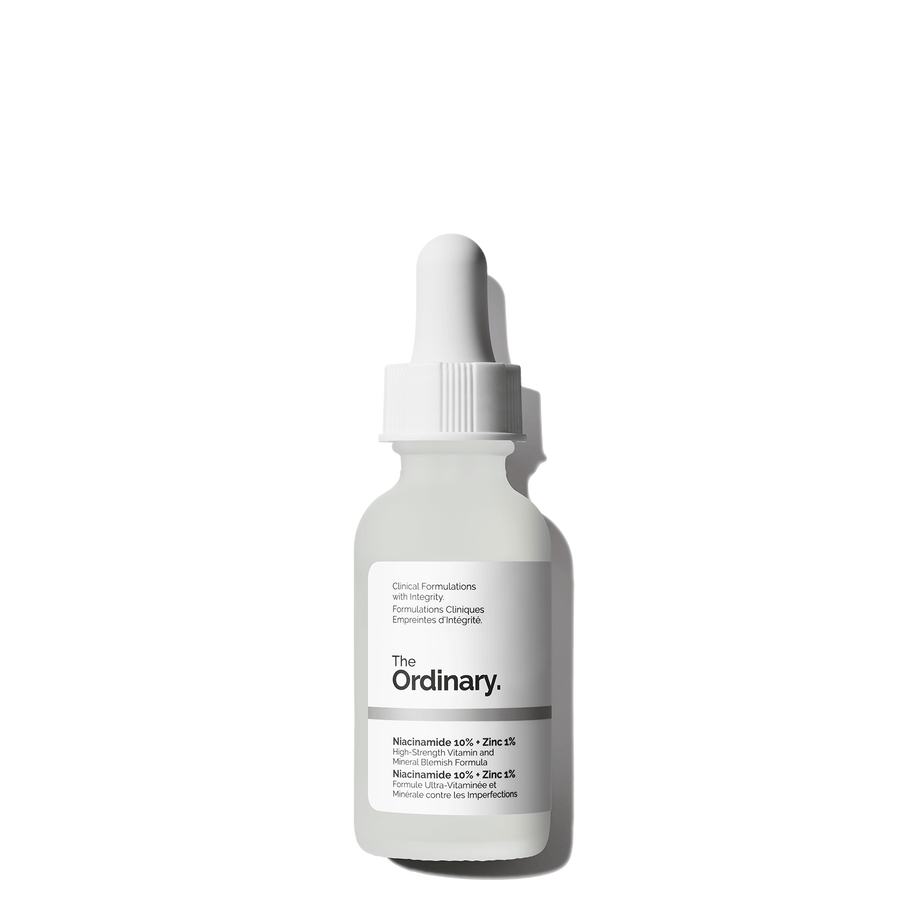
While highly effective for oil control, some users find the 10 percent concentration to be slightly irritating if they have a compromised skin barrier. It is also known to pill if applied too heavily or if not allowed to dry completely before applying subsequent products. For a detailed comparison of similar products, you might find our review of the Minimalist Niacinamide Serum helpful for identifying alternatives with different textures or soothing agents.
Sanbe Beauty 10% Niacinamide Serum
Sanbe Beauty offers a water based serum that also features a 10 percent concentration of niacinamide. Priced at $26.00, this formula is marketed as a clean beauty option. It aims to improve skin texture and even out the complexion. Like many other water based serums in this category, it is designed for ease of use in both morning and evening routines.

This serum provides a straightforward approach to addressing pigmentation and pore issues. However, when comparing it to K beauty options, it may lack some of the auxiliary soothing ingredients like centella asiatica or snail mucin often found in Korean formulations. If you are interested in how other popular brands compare, check out our analysis of the Anua Peach 70 Niacinamide Serum to see how different fruit extracts can enhance the brightening properties of Vitamin B3.
How to Layer Water Based Niacinamide Serum in Your Routine
To get the most out of your water based niacinamide serum, proper layering is essential. The general rule of skincare is to apply products from thinnest to thickest consistency. Since water based serums are typically very light, they should be applied early in your routine. Start with a gentle cleanser to remove dirt and excess oil, then follow with a toner or essence if you use them. Apply a few drops of your niacinamide serum while the skin is still slightly damp to help lock in hydration.
Once the serum has been absorbed, you can move on to heavier treatments. For those focused on intensive hydration and repair, following a serum with a product like the Collagen Night Wrapping Mask can be transformative. This best seller helps seal in the active ingredients from your serum while providing a protective layer that works overnight. This combination is particularly effective for those who want to wake up with plump, glowing skin.

If you are targeting specific issues like enlarged pores, you can also incorporate No More Pore Pads before your serum. These pads help exfoliate the skin and clear out the pore lining, making the water based niacinamide serum even more effective at regulating oil and refining texture. Always remember to finish your morning routine with a broad spectrum sunscreen, as protecting your skin from UV damage is necessary to maintain the brightening results of niacinamide.
Is Niacinamide a Water Based Serum and Does Solubility Matter
Many people ask if niacinamide itself is a water based serum. Technically, niacinamide is a crystalline powder that is highly soluble in water. Therefore, almost every effective niacinamide serum on the market will be water based. This solubility is important because it determines how the ingredient interacts with your skin and other products. Water based formulas are less likely to interfere with the absorption of subsequent oil based creams or sunscreens.
Solubility also plays a role in stability. Niacinamide is a very stable ingredient, especially when compared to Vitamin C or Retinol. It is not easily degraded by light or air, which means your water based niacinamide serum will remain effective throughout its shelf life. However, it is still best to store your serums in a cool, dark place to maintain the integrity of other supporting ingredients like botanical extracts or peptides. For more on how Vitamin B3 compares to other brightening agents, you can read our guide on niacinamide vs kojic acid for pigmentation.
Using a water based delivery system also minimizes the risk of follicular occlusion. For individuals with acne, heavy oils can sometimes trap bacteria and sebum, leading to further breakouts. A water based serum avoids this issue entirely, providing a clean delivery of the active vitamin. This is why many dermatologists recommend niacinamide as a first line treatment for oily and acne prone skin types.
Using Niacinamide with Tretinoin and Vitamin C
A common concern when using a water based niacinamide serum is its compatibility with other potent actives like tretinoin and Vitamin C. Fortunately, niacinamide is one of the most compatible ingredients in skincare. In fact, using niacinamide alongside tretinoin is often recommended by dermatologists. Tretinoin can cause significant dryness and irritation, but because niacinamide boosts ceramide production and strengthens the barrier, it can help your skin tolerate retinoids more easily.
When it comes to Vitamin C, there was an old myth that the two ingredients could not be used together because they would cancel each other out or cause skin flushing. Modern cosmetic chemistry has shown that this is not a concern for most people. While the two ingredients have different optimal pH levels, they can be layered successfully. Many users prefer to use their Vitamin C serum in the morning for antioxidant protection and their water based niacinamide serum in the evening to support repair. Alternatively, you can search for formulas that combine multiple actives, such as the Anua Niacinamide 10 Txa 4 Serum, which targets dark spots with multiple pathways.
If you are using exfoliating acids like AHAs or BHAs, niacinamide can also be a helpful companion. The soothing properties of Vitamin B3 help to calm the skin after the intense exfoliation of an acid. This creates a balanced routine where you are removing dead skin cells while simultaneously reinforcing the moisture barrier. This synergy is a hallmark of sophisticated skincare routines that prioritize long term skin health over quick, potentially irritating fixes.
Why Niacinamide Is Effective for Redness and Melasma
Redness and melasma are two of the most stubborn skin concerns to treat, but a water based niacinamide serum can be a valuable tool in managing them. For redness, niacinamide works by inhibiting the release of inflammatory cytokines. It also improves the overall structural integrity of the skin, which can reduce the appearance of broken capillaries and general flushing. This makes it an ideal choice for people with rosacea or sensitive skin that reacts easily to environmental changes.
When it comes to melasma and hyperpigmentation, niacinamide works differently than most brightening agents. Instead of inhibiting the production of melanin (like Vitamin C or Kojic Acid does), niacinamide prevents the transfer of melanin from the melanocytes to the skin cells on the surface. This means that even if your skin is producing excess pigment due to hormones or sun exposure, the niacinamide helps prevent that pigment from becoming visible as dark spots. For those dealing with particularly stubborn spots, a combination treatment like the Kojic Acid Turmeric Night Wrapping Mask can be used alongside your serum to attack pigmentation from multiple angles.

This approach is often more effective than using a single ingredient. By combining a water based niacinamide serum with other brightening agents, you cover both the production and the transfer of pigment. This comprehensive strategy is detailed further in our comparison of niacinamide vs kojic acid for skin repair. Many users see significant improvement in skin clarity and a reduction in the intensity of melasma patches after eight to twelve weeks of consistent use.
Choosing the Right Concentration of Niacinamide
Water based niacinamide serums typically come in concentrations ranging from 2 percent to 10 percent. While it may be tempting to go for the highest percentage available, more is not always better. Most clinical studies proving the benefits of niacinamide have been conducted using concentrations between 2 percent and 5 percent. At these levels, the ingredient is highly effective at improving the barrier and evening out skin tone without causing irritation.
Concentrations of 10 percent or higher are often marketed for oil control and pore reduction. While many people tolerate 10 percent well, those with very sensitive or dry skin might experience slight stinging or temporary redness. If you are new to this ingredient, starting with a lower concentration or a product like the Salmon PDRN Collagen Mask, which focuses on repair and soothing, can be a safer way to introduce your skin to active treatments. This mask helps nourish the skin and can be used a few times a week to supplement your daily serum.
When selecting a concentration, consider your primary goal. If you are mainly concerned with aging and hydration, a 5 percent formula is usually sufficient. If your main struggle is excessive oil and very visible pores, you may benefit from a 10 percent water based niacinamide serum. Always patch test a new high concentration serum on a small area of your jawline for 24 hours before applying it to your entire face to ensure you do not have a sensitivity to the formula.
Side Effects and Safety Precautions for Niacinamide
Niacinamide is generally considered one of the safest and most well tolerated ingredients in skincare. It is non comedogenic, meaning it will not clog pores, and it is safe for use during pregnancy and breastfeeding. However, like any active ingredient, there is a small possibility of side effects. The most common issue is a temporary flushing sensation, which can occur if niacinamide is converted to niacin. This usually only happens in very acidic environments, which is why some people prefer not to mix it directly with low pH L ascorbic acid (Vitamin C).
Another potential side effect is pilling. This is not a skin reaction but a formulation issue where the serum dries into small clumps on the surface of the skin. This often happens with high concentration water based niacinamide serums that contain a lot of thickeners. To prevent pilling, apply the serum to damp skin, use only a few drops, and wait at least 60 seconds before applying your next product. Choosing high quality formulations like those found in multi ingredient collagen and niacinamide collections can also help, as these are often designed for better texture and absorption.
If you experience persistent itching, redness, or small bumps after starting a water based niacinamide serum, you may be allergic to a preservative or a filler in the product, or the concentration may simply be too high for your barrier. In such cases, discontinue use and switch to a more soothing product focused on barrier repair. Overall, the vast majority of users find that adding a water based niacinamide serum to their routine leads to clearer, more resilient, and more radiant skin within a few weeks of consistent application.
Water Based Niacinamide Serum FAQs
Is niacinamide a water based serum?
Yes, niacinamide is a water soluble vitamin (Vitamin B3). Most serums featuring this ingredient are water based because it dissolves easily in water, allowing for a lightweight and fast absorbing texture that is suitable for all skin types.
Do I need niacinamide if I use tretinoin?
While not strictly necessary, using niacinamide with tretinoin is highly recommended. Niacinamide helps boost the production of ceramides and strengthens the skin barrier, which can significantly reduce the dryness and irritation often caused by tretinoin.
Which niacinamide serum is best for redness?
Serums with a concentration of 2 percent to 5 percent niacinamide are generally best for redness. These concentrations are effective at calming inflammation and strengthening the barrier without the potential irritation that can come from higher 10 percent formulas.
Can niacinamide remove melasma?
Niacinamide is effective at fading the appearance of melasma by preventing the transfer of pigment to skin cells. While it may not 'remove' it entirely, it can significantly lighten dark patches when used consistently and combined with daily sun protection.
Can I use water based niacinamide serum with Vitamin C?
Yes, you can use them together. Modern formulations are stable enough to be layered. However, if you have sensitive skin, you may prefer using Vitamin C in the morning and niacinamide at night to avoid any potential for flushing.
What is the best way to prevent niacinamide serum from pilling?
To prevent pilling, apply a small amount to damp skin and pat it in rather than rubbing. Allow it to dry completely for about a minute before applying heavier creams or oils over the top.
Keep Reading
- Skin Nutrition Botanicals Niacinamide 5 Squalane Serum Review and Alternatives
- Minimalist Niacinamide Serum Comparison and Best Alternatives
- Anua Peach 70 Niacinamide Serum Comparison and Review
- Anua Niacinamide 10 Txa 4 Dark Spot Correcting Serum Comparison and Review
- Shop Multi-Ingredient Focus: Collagen, PDRN & Niacinamide
- Shop Niacinamide Cream vs Night Masks: Which Is Better?